

Picture a real estate agent pulling up to a listing appointment. Before they even step out of the car, they are already forming an opinion. Faded paint, a stained walkway, or an overgrown yard tells a story before anyone opens the front door.
That story matters more than most sellers realize. Exterior condition is not just a cosmetic detail. It is one of the strongest signals buyers use to judge a home’s overall care, and it directly shapes both the offers a home receives and how fast it sells. If you are getting ready to list a property, or simply want to protect its value over time, understanding exactly how much exterior maintenance affects resale value is worth ten minutes of your attention.
Quick Answer: Does Exterior Maintenance Affect Resale Value?
Yes, and the effect is measurable. Here is the short version:
- First impressions form within seconds. Buyers begin judging a home before they walk through the door.
- A worn exterior signals deferred maintenance. Buyers often assume neglect outside means neglect inside too.
- Fresh exterior paint typically returns 50-75% of its cost at resale, according to industry cost-versus-value data.
- Curb appeal alone can shift perceived value by roughly 7%, based on research from the Journal of Real Estate Finance and Economics.
- Weather-exposed markets see this effect amplified. Homes at higher elevation or in harsher climates show wear faster, so upkeep matters even more.
- Small, consistent maintenance often beats big last-minute renovations in terms of actual return.
Why First Impressions Shape a Buyer’s Entire Perception
Buyers do not walk into a home with a blank slate. By the time they reach the front door, they have already formed an impression based purely on the exterior, and that impression colors how they view everything that follows. A buyer who pulls up to a freshly painted home with a tidy walkway tends to walk inside already inclined to like what they see.
What Buyers Actually Notice First
The exterior elements that register fastest are paint condition, roofline, driveway and walkway condition, and landscaping. None of these require a large budget to address, but all of them get noticed within the first several seconds of a showing. Real estate agents consistently report that buyers form a strong opinion before ever crossing the threshold, and that early opinion is difficult to fully reverse once the buyer is inside.
This is not just anecdotal. A well-known study published in the Journal of Real Estate Finance and Economics found that strong curb appeal can raise a property’s perceived value by as much as 7 percent compared to an identical home with a neglected exterior. Same square footage, same layout, same finishes inside. The only difference was what the buyer saw first.
There is also a psychological layer to this that goes beyond simple aesthetics. Buyers touring multiple homes in a single day, which is common, tend to remember properties emotionally rather than by a checklist of features. A home with a strong exterior tends to get filed away as “the nice one” while a neglected exterior gets filed away as “the one that needed work,” even if the interior finishes were nearly identical. That emotional shorthand carries real weight when it comes time for a buyer to rank their favorites and decide where to submit an offer.
Agents often describe this as buyers “falling in love” with a property before they have consciously evaluated a single feature. That reaction starts at the curb. A home that looks cared for from the street primes the buyer to notice the positives once they step inside, while a home that looks tired primes them to hunt for flaws.
What Poor Exterior Condition Signals to a Buyer
Here is the part sellers underestimate most. A neglected exterior does not just look less appealing. It actively raises red flags in a buyer’s mind about what else might be wrong with the property.
Peeling paint gets read as a sign that maintenance has been skipped elsewhere too. A stained roof or clogged gutters raises immediate questions about water damage or structural issues. Cracked walkways or a patchy lawn suggest the seller has not invested in the property recently, which buyers often extend to their assumptions about plumbing, electrical, and HVAC systems they cannot see during a walkthrough.
The Hidden Cost of Assumptions During Inspection Negotiations
This perception problem tends to resurface during inspection negotiations. Buyers who already noticed exterior neglect walk into the inspection period primed to expect more issues, and they often negotiate harder on unrelated findings as a result. A seller who kept the exterior in good shape typically faces a more straightforward negotiation, because the buyer’s baseline trust in the property is already higher.
The ROI of Exterior Maintenance, By the Numbers
Numbers make this easier to plan around. Exterior projects consistently rank among the highest-return home improvements available, often outperforming interior renovations on a pure cost-versus-value basis.
According to Forbes Advisor’s guide on increasing home value, curb appeal investments, ranging from fresh paint to updated siding, front doors, and landscaping, are among the most effective ways to boost a buyer’s first impression and translate that into a stronger sale price. Industry cost-versus-value data backs this up with real figures.
| Project | Typical ROI |
|---|---|
| Exterior painting | 50-75% |
| Power washing (siding, driveway, walkways) | 150-200%+ |
| Landscaping refresh | 100-200% |
| Front door replacement | 100-216% |
| Garage door replacement | 93-194% |
| Full siding replacement | 60-80% |
The pattern here is worth noticing. Low-cost, high-frequency maintenance tasks like power washing and landscaping often deliver a stronger percentage return than big-ticket replacements. That does not mean major projects are never worth it. It means sellers on a budget should prioritize the items that move perception the most for the least money.
It also helps to separate ROI from total dollar impact. A power washing job might return 200 percent on a $400 investment, netting $800 in added perceived value. A full exterior repaint might return only 60 percent on a $6,000 investment, but that still nets $3,600, a far larger total gain even at a lower percentage. Sellers with more time and budget before listing often get the best overall result by doing both: handling the low-cost, high-percentage tasks themselves or with a small contractor, then investing in the larger repaint or siding work if the exterior genuinely needs it.
Timing matters too. Exterior projects, especially painting, are weather-dependent in most climates, and mountain markets narrow that window even further. Sellers planning to list in spring or early summer should budget time in the prior fall or as soon as conditions allow, rather than waiting until just before listing and discovering the contractor calendar is already full.
Why This Matters Even More in Mountain and Resort Markets
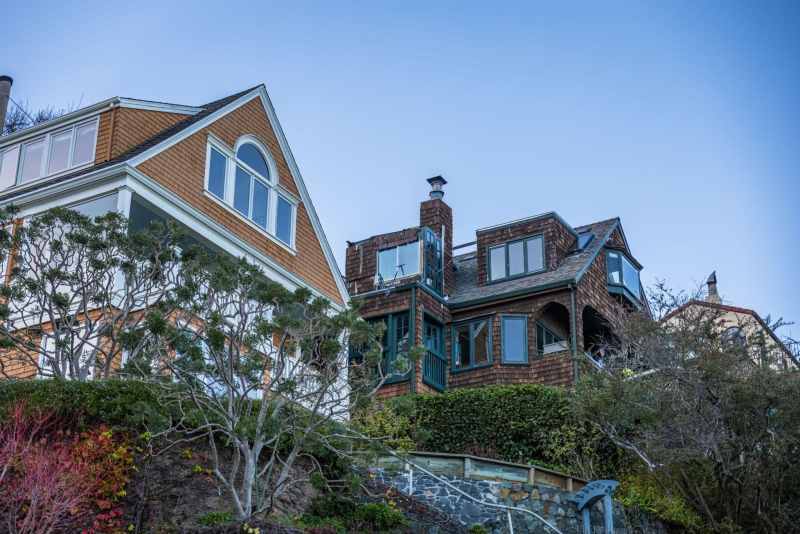
Everything covered so far applies to any home, anywhere. But the effect gets amplified in mountain and resort communities, where weather takes a faster and more visible toll on exteriors than it does in a typical suburban market.
How Weather Accelerates Wear at High Elevation
Homes at higher elevation deal with intense UV exposure, heavy snow loads, and repeated freeze-thaw cycles that regular sea-level homes rarely experience. Paint fades faster under stronger UV radiation. Wood siding and trim expand and contract more aggressively through temperature swings, which accelerates cracking and rot. Roofs and gutters bear the added weight and moisture cycling from snow, which shortens their effective lifespan if maintenance is skipped.
This means a mountain home can start showing visible wear within a few years of a paint job that would hold up twice as long in a milder climate. Owners who are not aware of this timeline often get caught off guard when it comes time to sell, discovering that their exterior needs more work than they expected.
What This Means If You’re Selling in a Resort Town
Resort and second-home markets add another layer to this dynamic. Buyers in these markets are frequently comparing properties across a wide geographic area, sometimes even across state lines, and exterior condition becomes an even bigger differentiator when every other feature (the view, the amenities, the location) is already competitive. In a market like real estate in incline village nv, where buyers are often weighing multiple high-value properties against each other, a well-maintained exterior is frequently the deciding factor between two otherwise comparable homes.
Second-home owners face an additional challenge here too. Properties that sit vacant for stretches of the year are more likely to develop exterior issues unnoticed, since nobody is walking the property regularly to catch small problems before they grow. A small roof leak or a cracked section of siding that would get caught within days in a full-time residence can go unnoticed for months in a vacation property, and by the time the owner or a listing agent walks the exterior, the damage has often spread.
This is part of why local property management and regular exterior inspections matter more for second homes than for primary residences. A quarterly walkthrough, even a brief one, can catch the kind of small issues that are cheap to fix immediately and expensive to fix after a full season of neglect. Owners who build this into their routine tend to face far smaller pre-listing repair bills than those who only address the exterior once they have decided to sell.
Exterior Fixes Worth Doing Before You List
Not every project needs to happen before a sale. Prioritizing the right fixes protects your budget while still capturing most of the resale benefit.
Quick Wins vs Bigger Projects
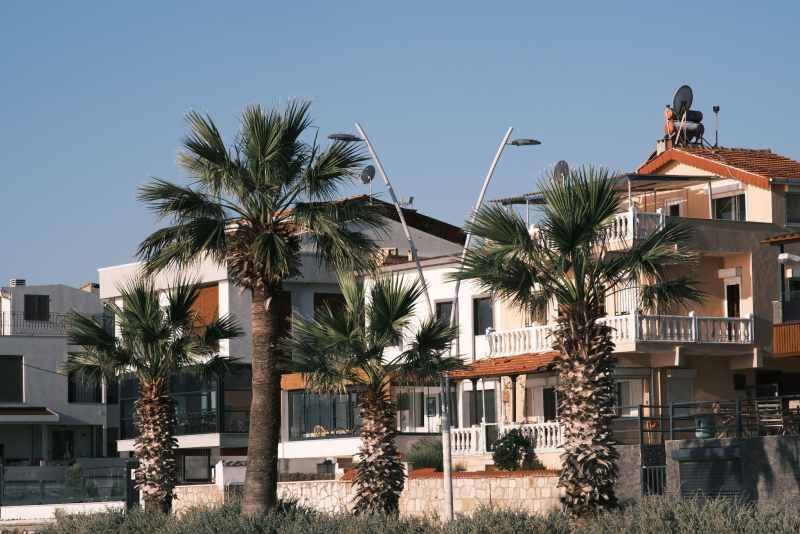
Quick wins that deliver strong returns with minimal investment include power washing siding, walkways, and driveways, touching up chipped or faded paint on trim and doors, clearing gutters and checking for visible roof damage, and refreshing landscaping with mulch, trimmed shrubs, and seasonal color. These tasks are typically achievable in a weekend or with a single contractor visit.
Bigger projects worth considering, if the budget and timeline allow, include a full exterior repaint if the current coat is more than seven to ten years old, replacing an outdated or damaged front door, and addressing any visible siding damage or rot before it spreads further. These projects cost more upfront but tend to make the biggest visible difference for buyers seeing the home for the first time.
What First-Time Sellers Get Wrong About Exterior Prep
We see the same handful of mistakes repeatedly with first-time sellers.
The most common one is over-improving relative to the neighborhood. Spending heavily on a dramatic exterior transformation rarely pays back dollar for dollar if it pushes the home noticeably above what comparable properties in the area look like. A clean, well-maintained exterior almost always outperforms an over-the-top one on a cost basis.
Color choice is another frequent misstep. Bold or highly personal color choices can actually work against a sale, since buyers struggle to picture themselves in a home that feels too specific to someone else’s taste. Neutral, timeless colors tend to appeal to the widest range of buyers and photograph better for listings.
The last mistake is planning a big renovation while ignoring small, visible repairs. A buyer will notice a cracked walkway or a peeling trim board even if the seller is mid-way through a larger exterior overhaul elsewhere on the property. Small repairs should never be deprioritized in favor of a bigger project still in progress.
Is It Worth Repainting Before You Sell?
In most cases, yes, but the answer depends on current condition. If the existing paint job is still within its typical lifespan and shows only minor wear, a thorough cleaning and small touch-ups are usually enough. If the paint is visibly faded, peeling, or more than seven to ten years old, a full repaint is one of the highest-return projects available before listing.
The cost-versus-value data consistently supports this. A repaint that costs a few thousand dollars can return 50 to 75 percent of that investment directly in sale price, and often does more than that indirectly by shaping how buyers perceive the rest of the home during a showing.
FAQ
Does exterior paint condition really affect a home’s sale price? Yes. A worn or faded exterior signals deferred maintenance to buyers, which can lower offers or extend time on market. Fresh exterior paint typically returns 50-75% of its cost, making it one of the more reliable investments before a sale.
How much should I budget for exterior touch-ups before listing? It depends on current condition, but a basic refresh covering power washing, minor paint touch-ups, and landscaping cleanup often costs a few hundred to a few thousand dollars. A full repaint typically runs several thousand, depending on home size and materials.
What’s the ROI on exterior painting compared to interior upgrades? Exterior painting generally returns 50-75% of its cost, which is competitive with or better than many interior projects like a major kitchen remodel, which can return as little as 38% when over-improved relative to the neighborhood.
Should I repaint or just power wash before selling? If the current paint is under seven years old and shows only surface dirt, power washing alone may be enough. If the paint is visibly faded, cracked, or peeling, a full repaint delivers a stronger return and a better first impression.
Does climate or elevation change how often a home needs exterior maintenance? Yes. Homes at higher elevation or in harsher climates experience faster paint fading, more aggressive wood expansion and contraction, and greater wear from snow and freeze-thaw cycles, which shortens the typical maintenance interval compared to milder climates.
What exterior issues turn buyers away fastest? Visible roof damage, peeling or severely faded paint, and an unkempt yard tend to have the strongest negative impact, since buyers read these as signs of broader neglect rather than isolated cosmetic issues.


