

Finding water dripping inside your home creates instant stress. Taking quick action helps limit damage to ceilings, walls, and personal items.
Proper home care requires knowing basic steps for containment and repair. Learning how to manage sudden moisture problems protects your financial investment.
Locating The Source Of Water
Finding the exact entry point of ceiling moisture requires thorough inspection techniques. Many property owners turn to residential roofing services to evaluate structural vulnerabilities before leaks create widespread internal destruction. Water frequently travels along unexpected paths inside upper rafters prior to revealing noticeable stains on interior ceilings.
Checking your attic during heavy downpours offers clear clues regarding potential entry points. Bright flashlights illuminate damp wooden joists and saturated insulation patches across dark spaces. Tracing wet marks back to their origin point reveals hidden punctures in roof decking.
Marking suspect areas with bright chalk creates helpful reference points for later exterior fixes. Documenting affected framing simplifies temporary patching efforts until permanent solutions take effect.
Managing Immediate Interior Damage
Gravity carries trickling moisture along support beams and attic insulation layers before visible marks form below. Water rarely falls straight down from the precise spot where external shingles fail. Recognizing this movement pattern helps homeowners set up targeted containment efforts quickly.
Positioning wide plastic buckets directly under active leaks protects expensive hardwood flooring and furniture. Catching dripping water prevents liquid from soaking into surrounding subfloor materials.
Puncture sagging drywall ceiling bubbles using a small nail or screwdriver. Releasing trapped water pockets prevents sudden catastrophic ceiling collapses across your living room. Controlled drainage directs accumulated liquid safely into waiting catch basins while keeping room surfaces dry.
Maintaining Critical Roof Components
Inspect metal sealing materials around chimneys and vents regularly. Industry reports indicate flashing breakdown ranks among the primary origins of top-level leaks.
Key items to check during routine visual inspections:
- Damaged sealant layers around roof penetrations
- Broken or missing shingle pieces
- Blocked drainage channels along outer edges
Replacing rusted or warped metal components secures vulnerable seams. Fresh sealant layers offer additional protection against driven rain storms.
Cleaning Drainage Pathways
Clearing leaves and organic debris allows rainwater to flow freely off shingle edges. Recommendations suggest clearing gutter channels 2 times a year, though dense surrounding tree canopies can alter necessary cleaning schedules. Keeping channels clear prevents liquid from pooling along roof eaves.
Clogged troughs back up and force trapped water upward under lower shingle layers. Trapped liquid creates hidden rot along exterior fascia boards over extended timeframes. Persistent blockages lead to heavy water pooling that weakens structural attachments along outer rooflines during storms.
Scooping out fallen leaves every spring and autumn maintains smooth, open drainage lines. Clear downspouts direct heavy runoff away from building walls and outer perimeter foundations. Clean gutter systems shield home exteriors from expensive moisture damage throughout all rain seasons.
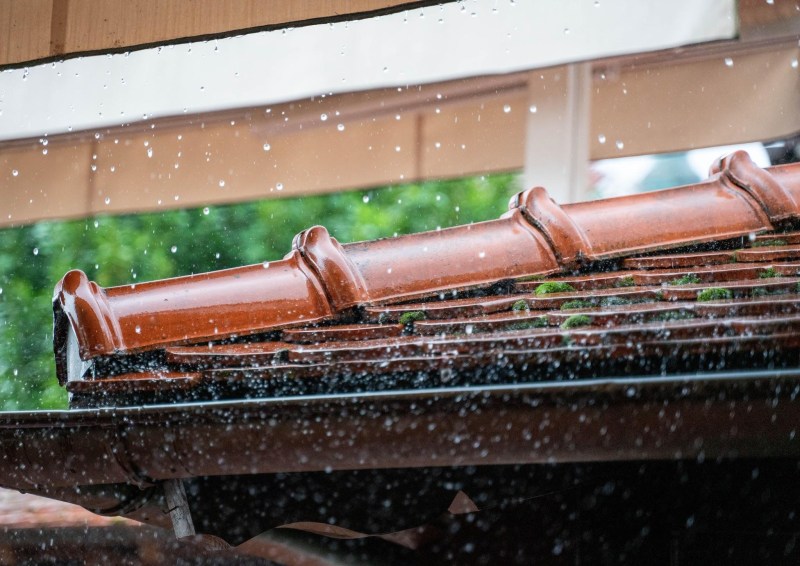
Taking proactive steps keeps home interiors dry and secure during severe weather. Quick response times minimize costly repairs to drywall, framing, and personal belongings.
Regular visual checks help identify small flaws before full structural leaks develop. Maintaining exterior drainage systems protects your property value for years ahead.


